Firearms Conspiracy: What You Need to Know
In 2023, the ATF charged 14 individuals in Texas with firearms conspiracy after tracking illegal transfers of Glock 19s through private sales. The case hinged on text messages discussing straw purchases—a scenario every responsible gun owner should understand.
The Legal Definition
Firearms conspiracy under 18 U.S. Code § 371 means two or more people agreed to violate federal gun laws and took at least one concrete step toward doing it. Doesn’t matter if they succeeded. What matters is the intent—like when someone offers cash to a buddy with a clean record to buy a Glock 43x for them. ATF looks for patterns: repeated purchases by the same person, guns showing up at crime scenes shortly after sale, or social media posts bragging about bypassing background checks.
Common Scenarios That Trigger Charges
We’ve seen three patterns consistently land people in trouble: 1) Straw purchases where Person A with a clean record buys for Person B who can’t pass a background check, 2) Group buys where multiple people pool money to acquire firearms illegally, and 3) “Off-book” transfers between private parties who know the recipient is prohibited. Even joking about these activities in texts or DMs can become evidence. A customer last year asked if we’d “look the other way” on a transfer—that conversation ended right there.

How Investigations Work
ATF starts with paper trails. Every Radical Firearms RF-15 sold through an FFL leaves a record. When one appears at a crime scene, they backtrack through the chain of custody. Multiple guns traced to the same buyer? Red flag. Social media posts showing off new firearms while complaining about failed background checks? Evidence. Our Spring, TX shop follows the letter of the law because we’ve seen how quickly “harmless” favors turn into federal cases.

Penalties and Defenses
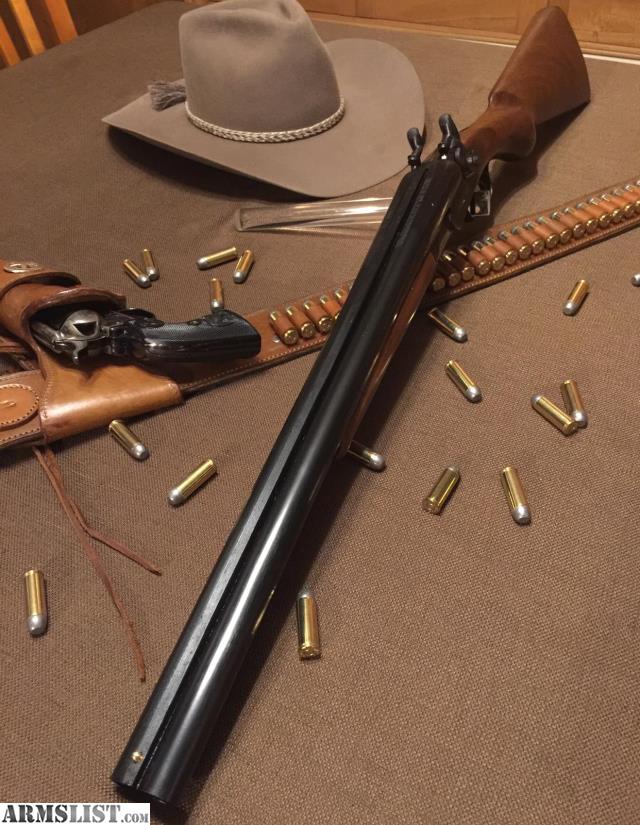
First-time offenders face up to 5 years federal prison and $250,000 fines per count. Aggravating factors like trafficking more than 10 guns or selling to known felons bump it to 10 years. The best defense? Don’t put yourself in the situation. If you’re helping someone acquire a Cimarron 1878 shotgun legally, document the transfer through an FFL. We keep bound books for 20 years because that’s what keeps everyone out of trouble.
Protecting Yourself
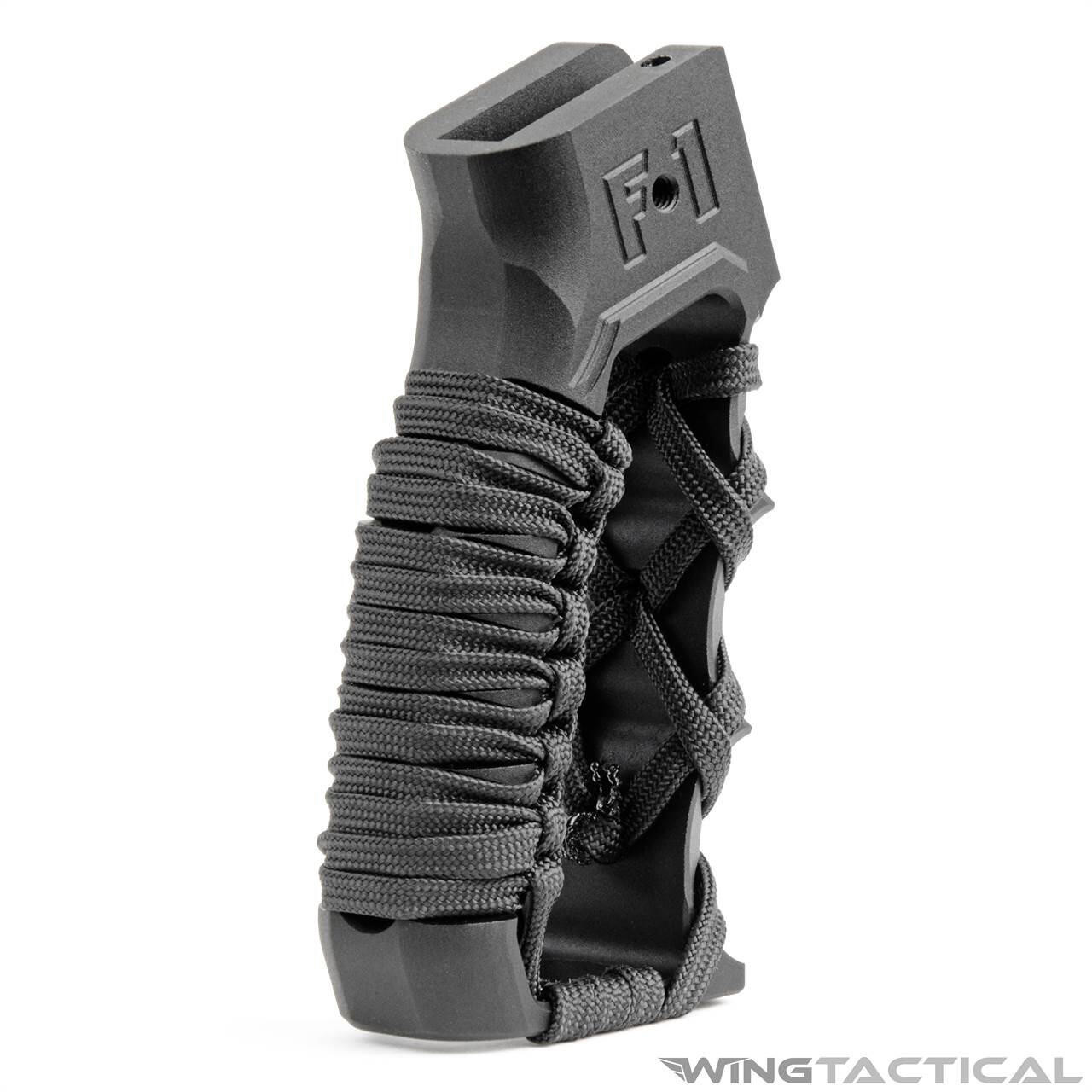
Three rules: 1) Never transfer a firearm without a background check unless it’s to immediate family in your state, 2) Walk away from anyone asking you to “just put it in your name,” and 3) Report suspicious requests—FFLs have a direct line to ATF field offices. We’ve turned down six-figure “bulk purchase” offers because the paperwork didn’t add up. Our F1 Firearms collection moves fast enough without cutting corners.
FAQ
What is firearms conspiracy?
An agreement between two or more people to violate federal firearms laws, with at least one overt act toward that goal. Example: texting a friend to buy you a handgun because you failed a background check.
What is firearms conspiracy charge?
A federal felony under 18 U.S.C. § 371 carrying up to 5 years prison. Unlike state charges, federal cases almost always stick because prosecutors use recorded calls, texts, and paper trails from FFL transfers.
What is a federal firearms conspiracy charge?
The most serious version, prosecuted by U.S. Attorneys with ATF support. Often involves interstate transfers, large quantities of guns, or sales to prohibited persons. Minimum sentences start at 18 months for first offenses.
Browse our firearms collection
Last updated: May 16, 2026